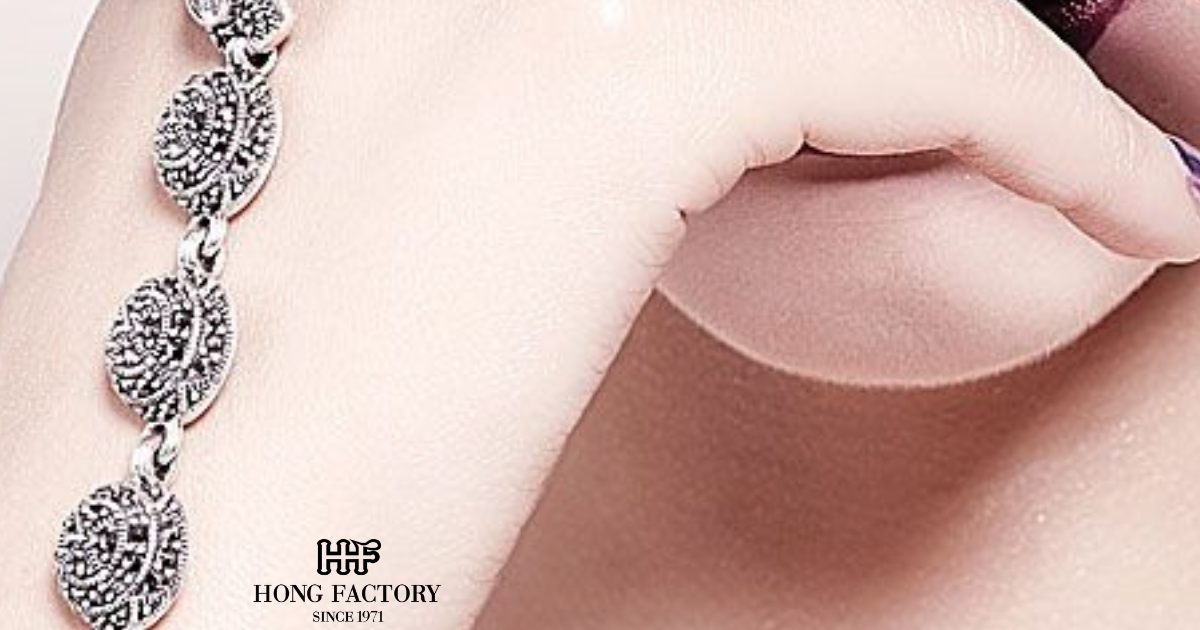
Marcasite jewelry has captivated wearers for centuries, admired for its subtle sparkle, metallic charm, and vintage elegance. Although many people associate marcasite with antique or Victorian styles, its origins trace back much further. Understanding where marcasite jewelry comes from helps us appreciate its enduring appeal, cultural influence, and lasting presence in the world of fashion and craftsmanship. This chapter explores the fascinating origins of marcasite jewelry, from ancient civilizations to the modern era, revealing why this intricate gemstone continues to shine throughout history. 925
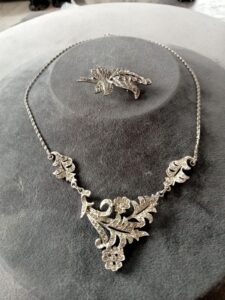
Ancient Beginnings: The Earliest Use of Marcasite
The story of marcasite jewelry begins thousands of years ago. Ancient civilizations were among the first to recognize the beauty and symbolism of marcasite.
Marcasite in Ancient Egypt
The Egyptians treasured marcasite for its shimmering metallic surface and believed it carried spiritual significance.
- Marcasite was used in amulets and burial ornaments.
- Cleopatra herself was said to favor marcasite for its regal appearance.
- Egyptians associated marcasite with the sun, believing its reflective surface held protective power.
These early uses show that marcasite was appreciated not only for its beauty but also for its symbolism.
Marcasite in South American Civilizations
Ancient Incan and Peruvian cultures used pyrite (commonly confused with marcasite) for:
- Ritual mirrors
- Decorative ornaments
- Ceremonial artifacts
Though technically different, both stones shared similar visual properties, which made them highly desirable.
The Middle Ages: Marcasite as a Symbol of Strength and Mystery
During the medieval era, marcasite continued to flourish in jewelry and symbolic objects.
It was often used in:
- Religious jewelry
- Armor decorations
- Ornamental daggers and swords
Marcasite’s dark metallic glow matched the aesthetic of medieval artistry, particularly in gothic and knightly motifs.
People also believed marcasite held mystical energy, leading many to wear it as a protective charm.
The Renaissance Period: Rediscovery of Marcasite’s Beauty
As Europe entered the Renaissance, artistic expression flourished. Jewelry became more elaborate, and marcasite regained popularity.
During this era:
- Craftsmen rediscovered marcasite’s elegant sparkle under candlelight.
- Nobility wore marcasite accents in brooches and hairpieces.
- Marcasite’s affordability made it accessible compared to diamonds.
This era marked the beginning of marcasite’s association with sophistication and refined taste.
The Victorian Era: Marcasite’s Golden Age
No period influenced marcasite jewelry more than the Victorian era. After the death of Prince Albert, Queen Victoria entered a long period of mourning, inspiring a fashion movement centered around darker, sentimental jewelry.
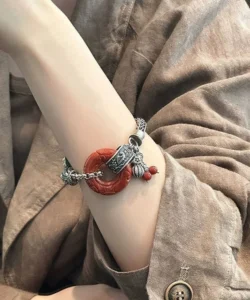
Why marcasite became iconic during the Victorian period:
- Its muted sparkle suited mourning fashion.
- It paired beautifully with sterling silver.
- It offered an elegant alternative to gemstones.
Victorian women often wore:
- Marcasite lockets
- Brooches with floral motifs
- Intricate necklaces and earrings
Designs from this era still influence marcasite jewelry today.
The Art Deco Era: Modern Geometry Meets Marcasite
The early 20th century introduced the Art Deco movement, bringing new life to marcasite jewelry.
Art Deco characteristics that enhanced marcasite:
- Symmetry and clean lines
- Geometric shapes
- Bold, contrasting designs
Marcasite’s metallic shimmer gave Art Deco jewelry a glamorous yet refined appearance. It became a favorite choice for:
- Cocktail rings
- Drop earrings
- Pendant necklaces
The Art Deco era positioned marcasite as a timeless element in both fashion and architecture-inspired design.
The Mid-20th Century: Post-War Popularity and Mass Production
After World War II, marcasite jewelry experienced a surge in popularity.
Reasons for renewed demand:
- Growing interest in vintage fashion
- High-quality marcasite silver jewelry from Europe and Thailand
- Advancements in precision stone-setting techniques
Marcasite pieces became accessible to everyday women seeking elegance without the luxury price tag.
Modern-Day Marcasite: A Blend of History and Contemporary Style
Today, marcasite jewelry is cherished for its ability to blend old-world charm with modern fashion trends.
What makes modern marcasite special:
- Use of sterling silver for durability
- Highly refined faceting for maximum sparkle
- Versatile designs ranging from classic to minimalist
- Popularity among collectors and fashion enthusiasts
Marcasite continues to appeal to those who appreciate timeless elegance.
Cultural Significance Across the World
Marcasite isn’t just a beautiful stone—it carries cultural meaning.
Examples:
- In Europe, marcasite is linked to heritage and vintage romance.
- In Asia, marcasite is appreciated for its craftsmanship and intricate metalwork.
- In Latin America, marcasite is associated with traditional artisan jewelry.
Its versatility has helped marcasite remain relevant across continents.
Why Understanding Marcasite Origins Matters
Knowing where marcasite jewelry comes from enhances appreciation for its:
- Craftsmanship
- Symbolism
- Historical depth
- Emotional value
Customers who understand marcasite’s origins connect more deeply with the jewelry they wear.
Conclusion
The origins of marcasite jewelry reveal a rich, culturally diverse history that spans ancient civilizations, medieval symbolism, Victorian mourning fashion, Art Deco elegance, and modern innovation. Its enduring charm lies in its unique sparkle, accessible luxury, and versatility across time and culture. Today, marcasite jewelry remains a treasured choice for collectors, designers, and everyday wearers who appreciate a timeless blend of history and beauty.
In the next chapter, we will explore the Victorian influence on marcasite jewelry, diving deeper into the era that shaped its iconic identity.