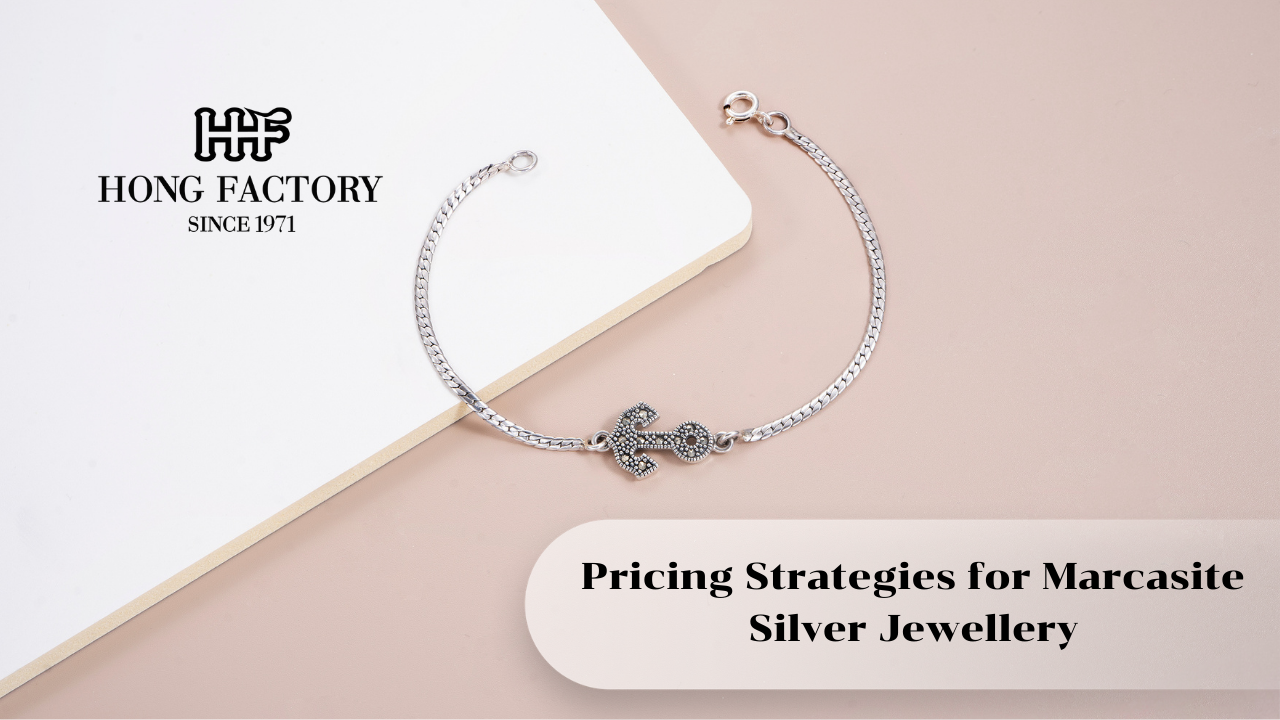
Why Pricing Strategy Matters in Marcasite Silver Jewellery
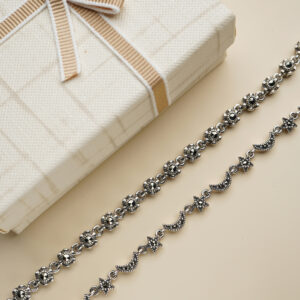
Pricing is one of the most important factors influencing buying decisions in the jewellery market. For marcasite silver jewellery, pricing must balance perceived value, craftsmanship, material cost, and buyer expectations. A well-planned pricing strategy not only improves sales but also builds long-term brand credibility. marcasite
Understanding how pricing works helps sellers avoid underpricing quality pieces or overpricing products beyond market acceptance.
Understanding the Cost Structure of Marcasite Silver Jewellery
Effective pricing begins with understanding costs. Marcasite silver jewellery costs typically include sterling silver material, marcasite stones, labor, design complexity, and finishing. Handmade or custom pieces involve higher labor costs compared to mass-produced designs.
Knowing true costs prevents unsustainable pricing.
Material Cost vs Craftsmanship Value
Sterling silver and marcasite stones contribute to base cost, but craftsmanship often represents the largest value component. Hand-set stones, intricate designs, and quality finishing justify higher prices.
Pricing should reflect workmanship, not just materials.
Market Positioning and Target Audience
Pricing strategies depend heavily on target buyers. Budget-focused buyers seek affordability, while enthusiasts and collectors value craftsmanship and uniqueness.
Clear positioning ensures pricing matches buyer expectations.
Entry-Level Pricing Strategy
Entry-level marcasite silver jewellery should focus on simple designs and competitive pricing. Stud earrings, slim rings, and basic pendants work well at lower price points.
This strategy attracts first-time buyers.
Mid-Range Pricing Strategy
Mid-range pricing balances affordability and design complexity. These pieces may feature denser stone settings, larger designs, or handmade elements.
Mid-range products often generate the highest sales volume.
Premium and High-End Pricing Strategy
Premium marcasite silver jewellery emphasizes craftsmanship, rarity, and design sophistication. Pricing reflects labor intensity and artistic value.
Buyers expect detailed descriptions and strong branding at this level.
Psychological Pricing Techniques
Pricing just below round numbers can influence perception. For example, pricing at 99 instead of 100 feels more accessible.
Psychological cues affect buyer behavior.
Value-Based Pricing Approach
Value-based pricing focuses on what buyers perceive as worth paying rather than cost alone. Storytelling, craftsmanship, and design uniqueness increase perceived value.
Strong branding supports value-based pricing.
Competitive Pricing Analysis
Studying competitor pricing helps set realistic ranges. Compare similar designs, materials, and craftsmanship levels.
Competitive awareness prevents mispricing.
Bundling and Upselling Strategies
Offering jewellery sets or complementary items increases average order value. Bundling earrings with pendants can justify slightly higher prices.
Bundles add convenience and value.
Seasonal and Promotional Pricing
Temporary promotions can stimulate demand without permanently lowering perceived value. Clear start and end dates maintain urgency.
Controlled promotions protect brand integrity.
Pricing for Online vs Offline Sales
Online pricing may be lower due to reduced overhead, but shipping and platform fees must be considered.
Channel-specific pricing improves profitability.
Transparency and Price Justification
Explaining why a piece costs what it does builds trust. Highlight materials, craftsmanship, and production methods.
Transparency reduces buyer hesitation.
Avoiding Common Pricing Mistakes
Underpricing devalues craftsmanship, while overpricing limits demand. Inconsistent pricing confuses buyers.
Balanced pricing supports long-term growth.
Adjusting Prices Based on Feedback and Performance
Monitoring sales data and customer feedback helps refine pricing strategies. Adjustments should be gradual and data-driven.
Continuous optimization improves results.
Pricing Strategies for Wholesale Marcasite Silver
Wholesale pricing must account for volume discounts while preserving margins. Clear minimum order quantities help manage profitability.
Wholesale strategies differ from retail pricing.
Long-Term Pricing and Brand Positioning
Consistent pricing reinforces brand identity. Sudden drastic changes can damage trust.
Long-term planning supports sustainable growth.
Final Thoughts on Pricing Strategies for Marcasite Silver Jewellery
Successful pricing strategies balance cost, value, and buyer perception. Marcasite silver jewellery benefits from thoughtful pricing that reflects craftsmanship and market reality.
With the right approach, pricing becomes a powerful tool for both sales growth and brand credibility.