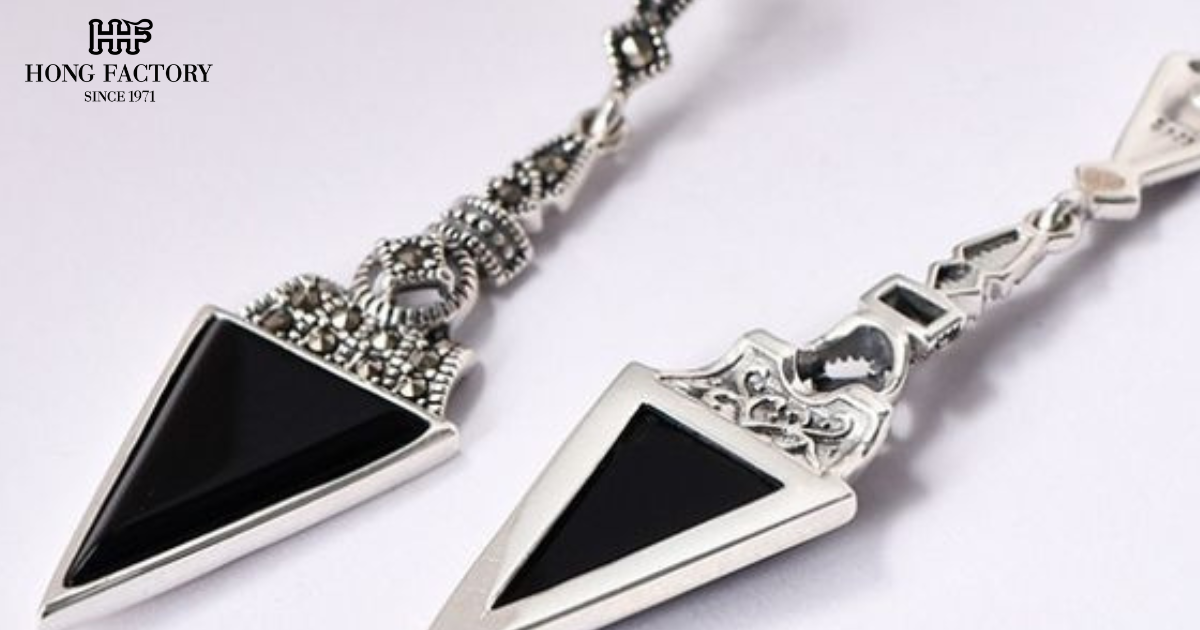
Expanding a marcasite jewelry business into international markets is one of the most rewarding steps for a growing brand. With timeless elegance, affordable luxury, and strong demand for vintage-inspired designs, marcasite jewelry holds significant global potential. This chapter explores how to enter and thrive in international markets, covering logistics, cultural research, pricing, marketing strategies, partnerships, and long-term sustainability. 925

Why International Expansion Is a Powerful Opportunity
Going global allows marcasite jewelry brands to:
- Reach larger customer bases
- Diversify revenue streams
- Increase brand visibility
- Build international prestige
- Benefit from currency variations
- Tap into regions with high jewelry demand
Countries such as the U.S., U.K., Japan, Australia, and European markets show strong appreciation for marcasite’s vintage charm.
Step 1: Conduct Market Research
Successful expansion begins with understanding your new target markets.
Research key factors:
- Demand for marcasite and vintage jewelry
- Competitor pricing and brand presence
- Consumer buying behavior
- Cultural preferences in jewelry styles
- Economic conditions and average spending power
Example insights:
- Japan appreciates delicate, elegant marcasite designs.
- The U.S. loves Art Deco and statement marcasite rings.
- Europe has a strong tradition of marcasite craftsmanship and heritage.
Understanding these insights helps tailor your approach.
Step 2: Identify Legal and Import Requirements
Every country has its own regulations for importing jewelry.
Important considerations:
- Customs duties
- Silver hallmarking requirements
- Metal purity certifications
- Import taxes (VAT, GST)
- Packaging and labeling rules
Examples:
- The U.K. requires strict hallmarking for silver jewelry.
- Canada may impose luxury taxes on certain jewelry imports.
Work with an expert or logistics provider to ensure compliance.
Step 3: Develop an International Pricing Strategy
Pricing globally requires adjustments.
Factors to include:
- Currency exchange rates
- Import duties and taxes
- International shipping costs
- Local competitor pricing
- Purchasing power in each region
Strategies:
- Premium pricing in luxury markets (Japan, UAE)
- Competitive pricing in mass markets (U.S., Australia)
- Mid-range pricing in trend-driven regions (Europe)
Pricing must reflect both brand value and local expectations.
Step 4: Optimize International Logistics and Shipping
A seamless delivery system is crucial.
Decide between:
1. Direct international shipping
- Ship from your home country
- Best for small to mid-sized brands
2. Regional fulfillment centers
- Store inventory abroad
- Faster delivery times
- Reduced shipping costs for customers
3. Partnerships with global distributors
- Ideal for wholesale or high-volume brands
Consider shipping challenges:
- Customs delays
- Lost parcels
- Return logistics
- Insurance for high-value items
Work with reliable carriers such as DHL, FedEx, or UPS.
Step 5: Localize Your Brand for Each Market
Localization helps your brand connect deeply with local audiences.
Localization includes:
- Adapting product descriptions
- Adjusting sizing standards
- Translating marketing content
- Customizing packaging for cultural occasions
Cultural examples:
- Heart motifs are popular in Western markets.
- Lotus and symbolic jewelry sell well in parts of Asia.
- Art Deco styles resonate strongly in Europe.
Never assume all markets share the same aesthetic preferences.
Step 6: Build an International Marketing Strategy
Marketing must adapt to each region’s digital behavior.
Platform popularity varies:
- Japan: Instagram, Line
- U.S.: Instagram, TikTok, Facebook
- Europe: Pinterest, Instagram, Facebook
- Middle East: TikTok, Snapchat, Instagram
Content that performs well globally:
- Storytelling about marcasite heritage
- Artisan-focused videos
- Close-up sparkle shots
- Styling inspiration for different cultures
Adjust tone, imagery, and messaging accordingly.
Step 7: Partner with Local Retailers or Boutiques
Retail partnerships provide credibility and instant market presence.
Benefits:
- Local customer trust
- Higher brand visibility
- Ability to test product demand
- Lower shipping barriers
Approach:
- Prepare a wholesale catalog
- Offer sample kits
- Highlight craftsmanship and unique selling points
Boutiques especially love vintage and artisanal marcasite collections.

Step 8: Collaborate With Global Influencers
Influencer marketing is essential for global expansion.
Ideal influencer types:
- Fashion bloggers
- Jewelry reviewers
- Bridal stylists
- Vintage fashion creators
Collaboration ideas:
- Jewelry styling videos
- Cultural-themed campaigns
- Unboxings and reviews
- Gift guides (Mother’s Day, Christmas)
Influencers introduce your brand to new audiences authentically.
Step 9: Attend International Jewelry Fairs and Trade Shows
These events open opportunities for networking and global sales.
Popular expos:
- Hong Kong International Jewellery Show
- JCK Las Vegas
- Vicenzaoro (Italy)
- Bangkok Gems & Jewelry Fair
Benefits:
- Meet suppliers and buyers
- Showcase new collections
- Analyze industry trends
Trade shows are crucial for long-term global success.
Step 10: Create Culturally Adapted Collections
Design preferences vary worldwide.
Examples of region-specific preferences:
- Asia: delicate, feminine designs
- Europe: bold geometric Art Deco pieces
- North America: gemstone + marcasite combinations
- Middle East: elegant motifs with strong shine
Consider limited-edition collections for specific markets.
Step 11: Offer Global Customer Support
International customers expect professional service.
Provide:
- Multi-language communication (where applicable)
- Clear returns and shipping instructions
- Fast response times
- Online chat support
Strong customer service increases global trust.
Step 12: Manage International Feedback and Adapt
Always listen to your global customers.
Ask for:
- Product feedback
- Style suggestions
- Country-specific preferences
- Shipping experience ratings
Use insights to refine your global strategy.

Risks of Global Expansion and How to Avoid Them
Going global comes with challenges.
Common risks:
- Misunderstanding cultural preferences
- Underestimating logistical costs
- Incorrect pricing strategy
- Slow delivery times
- Legal or customs complications
Solutions:
- Conduct thorough research
- Work with local experts
- Start with a test market
- Scale gradually
Conclusion
Expanding your marcasite jewelry business into international markets unlocks enormous growth potential. With proper research, strong branding, localized marketing, and reliable logistics, your brand can reach customers around the world who appreciate the elegance and heritage of marcasite jewelry. Global success requires patience and strategy, but the rewards—greater visibility, higher sales, and lasting brand prestige—are well worth the effort.
In the next chapter, we will explore how to build a long-term brand strategy for sustainable success in the marcasite jewelry industry.