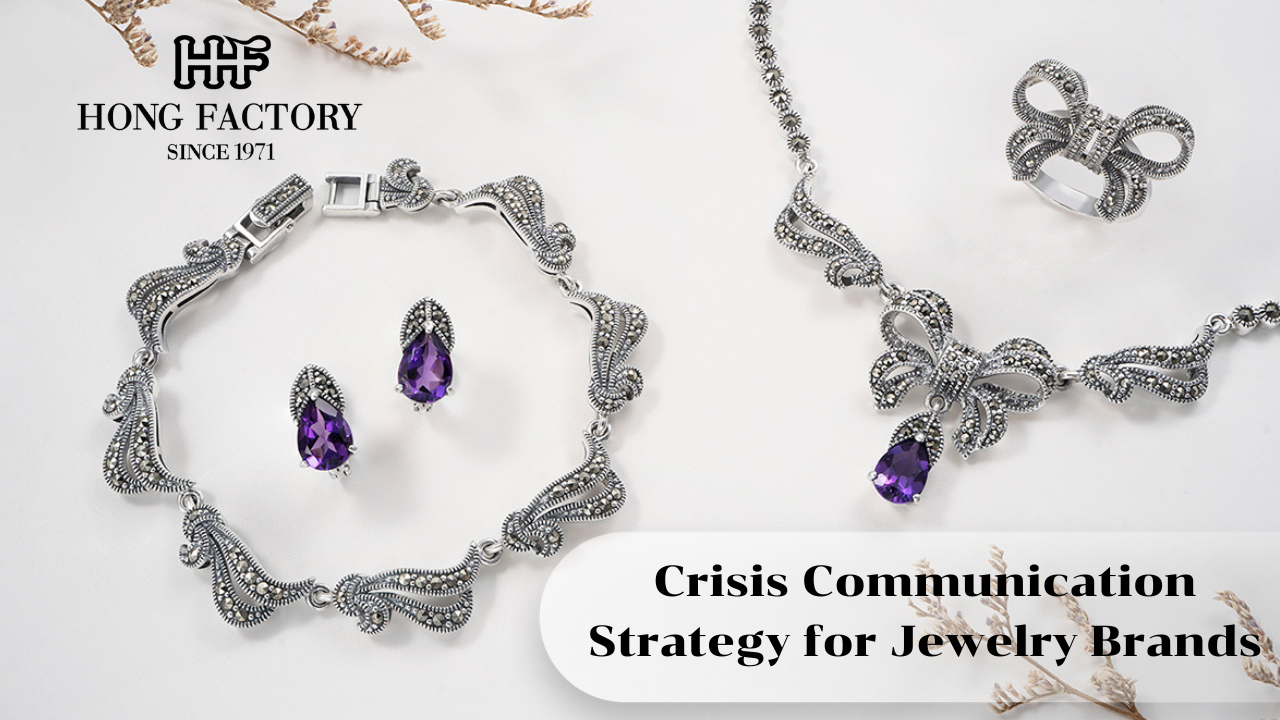
Crisis communication is a critical capability for jewelry brands operating in a trust-driven industry. In the marcasite jewelry niche—where reputation, authenticity, and perceived quality directly influence purchasing decisions—a well-prepared crisis communication strategy for jewelry brands helps protect brand equity, maintain customer confidence, and ensure clear, responsible responses during challenging situations. marcasite
This article explains how marcasite jewelry brands can plan, execute, and refine crisis communication strategies that minimize damage, preserve trust, and support long-term resilience.
Why Crisis Communication Matters for Jewelry Brands
Crisis moments define brand character.
Key Benefits of a Crisis Communication Strategy
- Faster, more controlled responses
- Reduced misinformation and speculation
- Preservation of customer trust
- Protection of long-term brand reputation
For jewelry brands, silence or confusion can amplify damage.
Understanding Common Crisis Scenarios in Jewelry Brands
Preparation starts with awareness.
Typical Jewelry Brand Crisis Types
- Product quality or authenticity concerns
- Supply chain or sourcing issues
- Shipping delays or fulfillment failures
- Negative publicity or social backlash
- Data privacy or payment security incidents
Identifying risks enables proactive planning.
Defining Crisis Communication Objectives
Objectives guide response decisions.
Core Crisis Communication Goals
- Provide accurate and timely information
- Demonstrate accountability and transparency
- Reassure customers and partners
- Limit reputational and financial impact
Clear objectives reduce reactive mistakes.
Building a Crisis Communication Team
Clear roles enable efficiency.
Crisis Team Structure
- Designated spokesperson
- Internal decision-makers
- Customer service and support leads
- Legal and compliance advisors
Defined roles prevent conflicting messages.
Creating a Crisis Communication Plan
Planning enables calm execution.
Essential Crisis Plan Components
- Risk assessment and scenarios
- Approval workflows and response timelines
- Pre-approved messaging templates
- Escalation and decision protocols
A documented plan accelerates response.
Messaging Principles During a Crisis
Tone shapes perception.
Crisis Messaging Best Practices
- Be honest and factual
- Avoid speculation or blame
- Express empathy and responsibility
Empathy builds credibility.
Communication Channels During a Crisis
Channel selection matters.
Crisis Communication Channels
- Website announcements or banners
- Email updates to customers and partners
- Social media statements and replies
- Direct communication with wholesalers
Consistency across channels prevents confusion.
Managing Social Media During a Crisis
Social platforms amplify reactions.
Social Media Crisis Management Tips
- Monitor conversations continuously
- Respond promptly and respectfully
- Avoid deleting criticism unless necessary
Transparency reduces escalation.
Crisis Communication for Product Quality Issues
Quality concerns require care.
Product Issue Response Guidelines
- Clearly explain the issue and scope
- Offer solutions such as replacements or refunds
- Outline steps taken to prevent recurrence
Responsibility reinforces trust.
Crisis Communication for Wholesale and B2B Jewelry

B2B partners need clarity.
B2B Crisis Communication Practices
- Direct, proactive outreach
- Clear timelines and action plans
- Dedicated support contacts
Professional communication preserves partnerships.
Legal and Compliance Considerations
Accuracy protects the brand.
Legal Communication Guidelines
- Coordinate with legal advisors
- Avoid admissions that create liability
- Ensure compliance with regulations
Careful wording balances transparency and protection.
Post-Crisis Communication and Recovery
Recovery builds resilience.
Post-Crisis Recovery Actions
- Follow-up updates and closure communication
- Public acknowledgment of improvements
- Internal review and process refinement
Closure restores confidence.
Learning From Crisis Situations
Learning prevents repetition.
Post-Crisis Evaluation Steps
- Review response effectiveness
- Identify communication gaps
- Update crisis plans accordingly
Continuous improvement strengthens preparedness.
Aligning Crisis Communication with Brand Values
Values guide behavior under pressure.
Brand Alignment Practices
- Maintain respectful and calm tone
- Act consistently with stated values
- Prioritize customer safety and trust
Consistency preserves brand integrity.
Training Teams for Crisis Readiness
Prepared teams respond better.
Crisis Training Best Practices
- Scenario-based simulations
- Clear escalation protocols
- Regular plan reviews and updates
Training reduces response time.
Measuring Crisis Communication Effectiveness
Measurement informs improvement.
Key Crisis Metrics
- Response time
- Sentiment changes
- Customer retention post-crisis
Metrics reveal recovery progress.
Long-Term Value of Crisis Communication Preparedness
Preparedness reduces long-term risk.
Strategic Benefits
- Stronger brand resilience
- Higher stakeholder confidence
- Reduced impact of future crises
Prepared brands recover faster.
Conclusion
A strategic crisis communication strategy for jewelry brands enables marcasite jewelry businesses to respond calmly, transparently, and responsibly during challenging situations. By preparing clear plans, defining roles, maintaining empathetic messaging, and aligning responses with brand values, brands can protect trust and recover with credibility. In a trust-based industry, crisis communication is not optional—it is a core component of brand resilience.